Tessa’s college graduation
After Ever HappyTessa’s college graduation closes a difficult chapter without pretending that a degree has settled the question of what she should do with her life. She becomes a graduate after years of uncertainty, watched by Hardin and Carol Young, who sit together as he applauds and she cries. The celebration’s importance lies both in what Tessa has completed and in the freedom she is beginning to claim: she can value her education without treating her original career plan as a lifelong obligation.
The Graduation
Tessa sees herself in the mirror and recognizes the distance she has traveled: many times during the previous four years, she had not been sure she would make it through college. Now she has graduated. The simple contrast between that earlier uncertainty and her present achievement gives the ceremony its central weight; the degree is not effortless proof of a predetermined path, but the outcome of persistence through doubt.
Hardin claps for her, while Carol cries. More strikingly, the two sit together. Their shared presence makes the ceremony a moment of family accord as well as personal accomplishment, placing Tessa between people whose relationship has not always been easy without turning the scene into a declaration that every conflict is resolved.
Carol Young and Tessa
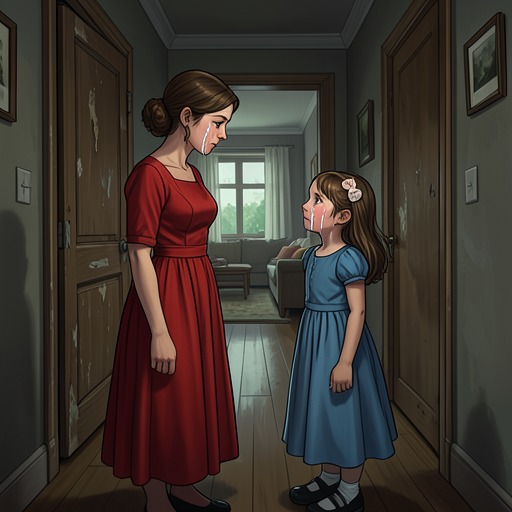
Carol joins Tessa in the bathroom and tells her how proud she is. She arrives in an evening gown that is more elaborate than the occasion requires, with curled, carefully sprayed blond hair and nails painted to match Tessa’s graduation cap and gown. Her appearance reflects her familiar wish to impress, but the detail also makes her pride visible: she has dressed for a milestone she wants to honor.
Tessa understands that Carol had groomed her to succeed and to become what Carol herself could not. As an adult, she can recognize that history without reducing the moment to resentment. She accepts her mother’s attention, including the offered lip gloss, even though she does not want or need to reapply makeup. The small concession gives the scene an intimate measure of their changed dynamic: Tessa can see Carol’s habits clearly and still choose not to turn this particular gesture into a fight.
What the Degree Does—and Does Not—Decide
The graduation does not immediately resolve Tessa’s career. She continues working at Vance Publishing in New York City because she needs the income, but she no longer wants to work in the field she had chosen when she enrolled at WCU. She still loves reading, while recognizing that this enduring attachment does not obligate her to stay on the career path she once expected to follow. Hardin gives her a hard time for changing her mind, especially because she had once been so certain; Tessa’s later perspective is that a person beginning adult life cannot be expected to know what they want to do for the rest of it.
The contrast among the people around her sharpens that uncertainty without making it a failure. Landon already has a job lined up as a fifth-grade teacher at a public school in Brooklyn. At twenty-five, Hardin is a New York Times bestseller with four books published. Tessa, by comparison, is still working out her direction, but she no longer feels compelled to hurry. She wants to take time over her choices and make sure they can make her happy, putting her own happiness first for the first time. The graduation therefore marks not a final career destination but a more consequential change in how she approaches the future.